Injuries during a competition can be an unexpected and discouraging difficulty for any athlete. Knowing what to do if you get injured is crucial for ensuring a productive recovery and minimizing the impact on your performance. In this article, we will look at the essential steps you should follow in the event of an injury, from immediate attention to rehabilitation, so you can get back to action with confidence and safety.
What steps should I take after a competition injury?
Seek medical attention, rest the affected area, apply ice, elevate the injury, and follow the professional’s instructions for recovery.
- Stop immediately and assess the severity of the injury to avoid further damage.
- Apply basic first aid, such as ice and compression, and seek medical attention if necessary.
- Inform the technical or medical team about the injury to receive the appropriate treatment and follow recovery guidelines.
What steps should I take immediately after an injury during a competition?
After suffering an injury during a competition, it’s essential to stay calm and assess the severity of the situation. If possible, stop and avoid any movement that could worsen the injury. Apply the RICE method: Rest, Ice, Compression, and Elevation. Rest the affected area, apply ice to reduce swelling, use an elastic bandage for compression, and elevate the injury to help decrease the swelling.
Once you have performed these first aid steps, seek medical attention as soon as possible. It’s important for a professional to assess the injury and determine the proper treatment. Don’t ignore the pain or rush back into the competition; listening to your body and following the doctor’s recommendations are crucial for proper recovery and avoiding long-term complications.
When should I seek medical attention after an injury in a competition?
After an injury in a competition, it’s essential to watch for certain signs that indicate the need to seek immediate medical attention. If you experience intense pain that doesn’t subside, significant swelling, difficulty moving the affected area, or visible deformities, it’s recommended to consult a professional. Likewise, if you feel dizziness, nausea, or loss of consciousness, don’t hesitate to get help. Acting quickly can prevent complications and ensure proper recovery, allowing you to return to your sports activities as soon as possible.
How can I prevent injuries in future competitions?
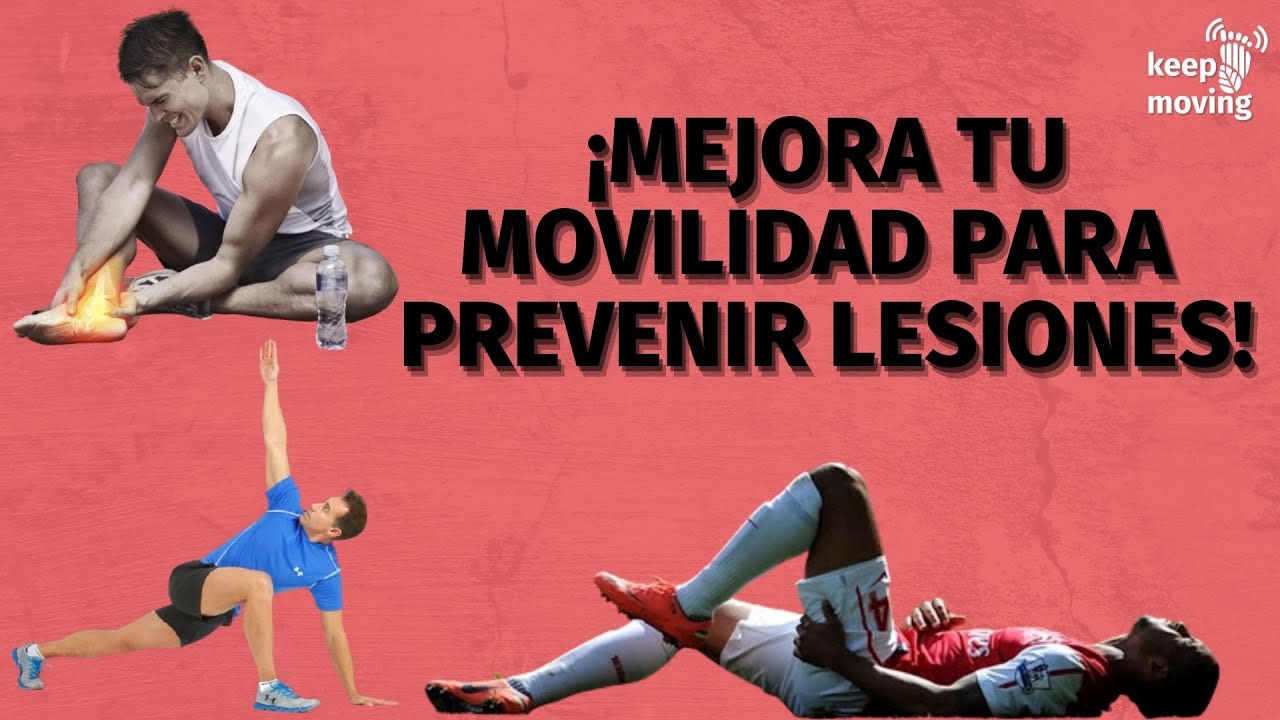
Preventing injuries in future competitions is essential for maintaining optimal performance and ensuring continuity in the sport. One of the most effective strategies is to incorporate a proper warm-up program before each training session and competition. This should include joint mobility exercises and dynamic stretching to prepare muscles and joints for physical activity, minimizing the risk of injury.
Additionally, it’s essential to focus on technique and form during practice. Ensuring that movements are performed correctly not only improves performance but also reduces the likelihood of injuries. Working with a coach or specialist can provide the necessary guidance to correct mistakes and optimize athletic performance.
Finally, listening to your body is key to preventing injuries. Getting enough rest, staying hydrated, and eating properly are aspects that should never be overlooked. If you feel pain or discomfort, it’s important not to ignore it and to seek the help of a professional. Prevention is an ongoing process that requires attention and care, but the long-term benefits are invaluable.
Effective Strategies for Managing Injuries in Sports
Managing injuries in sports requires a strategic approach that combines prevention, treatment, and rehabilitation. It’s essential to make an accurate diagnosis and follow a recovery plan that includes specific exercises, physiotherapy, and rest. Education about correct technique and proper warm-up are key to avoiding injuries. Additionally, continuous communication with coaches and health professionals can help identify problems before they escalate, allowing for a safer and more effective return to physical activity. Implementing these strategies not only optimizes recovery but also fosters a culture of well-being and safety in sports.
First Crucial Steps After an Injury
Recovery after an injury is a process that requires attention and patience. The first steps are crucial for ensuring proper healing and avoiding long-term complications. Starting with an accurate medical evaluation is essential; a specialist can determine the severity of the injury and offer a personalized treatment plan. This helps set realistic expectations and provides a clear roadmap for recovery.
Once you have a diagnosis, it’s important to follow the medical recommendations to the letter. This may include the use of immobilization, pain medication, and physiotherapy if necessary. Rehabilitation should be gradual, starting with gentle exercises that promote mobility without straining the injury. Listening to your body and not rushing is key to a successful return to everyday activities.
Finally, emotional and psychological support plays a decisive role in recovery. Sharing experiences with friends, family, or support groups can alleviate the emotional burden that comes with an injury. Maintaining a positive attitude and setting small goals throughout the process also helps keep motivation up. With patience and commitment, each step will bring you closer to full recovery.
Stay Calm: Quick Guide for Attending to Injuries
When an injury occurs, staying calm is essential for responding effectively. First, assess the situation and ensure that the environment is safe. If the injury is minor, clean the area with water and soap, and apply an appropriate bandage. For more severe injuries, such as sprains or fractures, immobilize the affected area and seek immediate medical attention. Remember, staying calm will not only help you but also inspire confidence in those around you, ensuring everyone feels more secure in a crisis.
Injuries in Competition: Act Safely
In the world of sports, competition can be fertile ground for injuries. The adrenaline and pressure to perform at your best often lead athletes to ignore warning signs. It’s crucial that all athletes, from amateurs to professionals, understand the importance of listening to their bodies and recognizing symptoms that may indicate an injury. Prevention is always the best strategy; proper warm-up and balanced training are essential to reducing the risk.
When an injury occurs, the immediate response can make the difference between a quick recovery and long-term complications. Acting safely means following first aid protocols and seeking medical attention if necessary. Ignoring the pain or rushing back into competition can aggravate the situation, prolonging the time away from the game. Patience and care are fundamental allies in the rehabilitation process.
Lastly, it’s vital to foster a supportive environment in sports where athletes feel comfortable sharing their concerns. Coaches, teammates, and health professionals must work together to create a culture that prioritizes safety and well-being. By doing so, not only is the athlete’s physical integrity protected, but a more sustainable and healthy approach to competition is also promoted.
Prevention and Response: Key for Athletes
Prevention and response to injuries are essential for any athlete looking to maintain optimal performance and prolong their career. Implementing an appropriate warm-up program that includes dynamic stretches and exercises specific to each discipline can significantly reduce the risk of injury. Additionally, listening to your body and recognizing signs of fatigue or pain is crucial for ensuring proper recovery before continuing with training.
Education on training techniques and correct execution of movements is equally vital. Athletes need to be aware of the way they perform each exercise, as incorrect posture can lead to long-term injuries. Advice from specialized trainers and physiotherapists can help perfect these techniques and foster a more conscious and safe approach to each physical activity.
Finally, having a plan in place to respond to injuries is vital for minimizing the impact of any setbacks. This includes having immediate access to medical attention and following a rehabilitation protocol for a productive recovery. By integrating prevention and a proper response plan, athletes not only protect their health but also optimize their performance and enjoy their passion for sports.
Knowing what to do if you get injured during a competition is critical to ensuring proper recovery and minimizing long-term damage risks. Staying calm, assessing the severity of the injury, and seeking medical attention if necessary are fundamental steps. Additionally, following a rehabilitation plan and listening to your body will allow you to return to competition stronger. Remember, prevention and preparation are key to fully enjoying your sports passion.