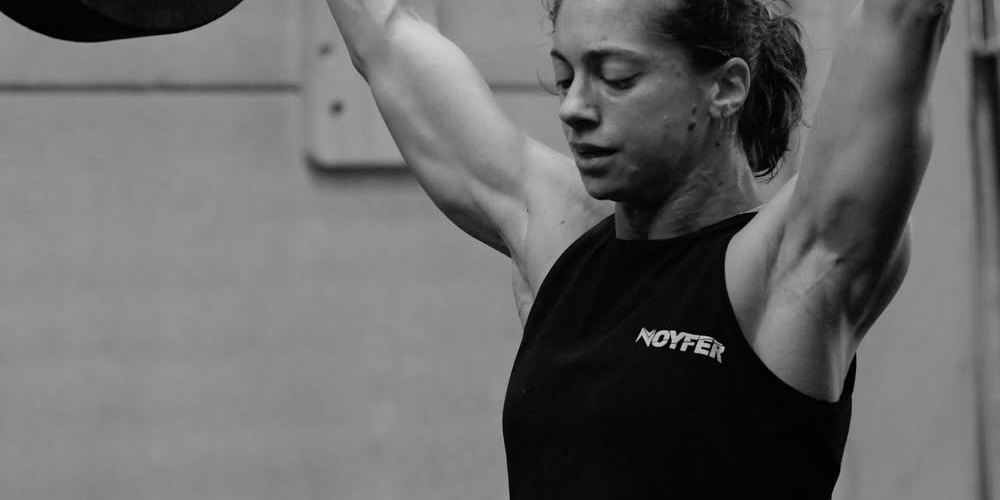
If you’re new to the world of functional training, it’s essential to learn how to adapt WODs (Workouts of the Day) to your beginner level. It’s not just about replicating what the more experienced do, but finding a balance that allows you to progress safely and efficiently. In this article, we’ll explore key strategies for modifying exercises, adjusting intensities, and setting realistic goals, ensuring that each training session brings you closer to your objectives without compromising your well-being. Get ready to transform your approach to fitness!
How to adjust WODs effectively for beginners?
To adjust WODs for beginners, reduce intensity, modify exercises, and increase rest times. Listen to your body and progress gradually.
What are the best strategies to adapt WODs if I’m a beginner?
For beginners, adapting the WODs (Workouts of the Day) is essential for ensuring safe and effective progress. One of the most efficient strategies is to reduce the weight load and opt for more basic exercises. For example, instead of doing a complex weight lift, you can substitute it with bodyweight movements like squats or push-ups. This allows the beginner to focus on technique and developing basic strength without the risk of injury.
Another key strategy is to modify the number of repetitions and sets. Instead of following the full WOD format, beginners can start with fewer repetitions and gradually increase as their endurance and confidence improve. This adaptation not only helps build a solid foundation but also keeps motivation high by allowing new athletes to feel they are progressing in their training.
Finally, it’s important to listen to your body and give yourself the necessary time to rest and recover. Incorporating rest days or less intense training sessions is essential to avoid burnout and maintain enthusiasm for exercise. With these strategies, beginners can enjoy the benefits of WODs while developing skills and confidence in their physical abilities.
Is it necessary to modify all exercises in a WOD to adjust them to my level?
Modifying the exercises in a WOD can be crucial to adapting it to your skill level and physical condition. Everyone is unique, and by adjusting the movements, the risk of injury is minimized, and performance is maximized. This not only allows beginners to feel comfortable and motivated but also gives more experienced athletes the opportunity to work on specific areas that need improvement.
Moreover, making strategic modifications can make the training more effective and rewarding. By focusing on your individual abilities, you can progress more safely and sustainably. Over time, these adaptations will allow you to take on greater challenges and reach your personal goals, creating a path to success in your fitness journey.
How can I determine the appropriate weights and repetitions when starting out?
When starting a training program, it’s essential to select weights and repetitions that match your current fitness level and goals. Start with a weight that allows you to perform 8 to 12 repetitions with good technique, feeling moderate effort towards the last repetitions. If you can complete all the repetitions without difficulty, it’s a sign that you can increase the weight. The key is finding a balance that challenges you without compromising form.
Additionally, listen to your body and pay attention to how you feel during and after each session. If you experience pain or excessive fatigue, it’s possible that you’re using too heavy a weight. As you become more familiar with the exercises and your strength increases, gradually adjust the weights and repetitions. Remember, consistency and patience are essential for achieving sustainable progress and avoiding injuries.
What resources or tools can I use to continue progressing in my adapted WODs?
To continue progressing in your adapted WODs, it’s important to have a variety of resources that help maximize performance and maintain motivation. A great option is using training apps that offer personalized routines and progress tracking. You can also find online videos and tutorials that demonstrate proper techniques and new exercise variations that suit your needs. Additionally, joining communities on social media or specialized forums will allow you to share experiences and get advice from other athletes facing similar challenges.
Another valuable resource is specific training programming. Consider working with a personal trainer who can design a plan tailored to your goals and capabilities. Furthermore, incorporating materials such as resistance bands, medicine balls, or kettlebells will provide a variety of stimuli for your WODs. Don’t forget the importance of recovery and nutrition, as both aspects are key to your progress. Maintaining a holistic approach will allow you to progress efficiently and enjoy each step in your training journey.
Simplified Exercises for New Athletes
Starting a journey in the world of sports can be both exciting and challenging. For new athletes, it’s essential to begin with simplified exercises that allow for building a solid foundation. These exercises not only help improve technique but also boost confidence and motivation, which are key for maintaining a long-term training routine.
Warm-up exercises are essential and should include movements like dynamic stretches and light jumps. These activities prepare the body for greater effort, minimizing the risk of injury. Additionally, activities like walking or jogging at a light pace can be incorporated, which are perfect for improving cardiovascular endurance without overwhelming the beginner.
As new athletes gain confidence, they can begin adding strength and resistance exercises, such as push-ups or squats. These movements, when performed with the proper technique, not only strengthen muscles but also improve coordination and agility. Remember, the key is gradual progression and enjoying the process, which will help cultivate a lasting love for the sport.
Building Strength from Scratch
Building strength from scratch is a journey that begins with determination and discipline. By setting realistic and measurable goals, every small achievement becomes a stepping stone toward greater physical and mental growth. Incorporating resistance exercises and balanced nutrition not only transforms the body but also strengthens the mind, fostering confidence and resilience. As we move forward, it’s important to celebrate every progress, remembering that true strength is forged through consistency and daily effort. Over time, what started as a challenge becomes a lifestyle, empowering us to face any challenge that comes our way.
Effective Progressions for Beginners
Starting a musical journey can be exciting and challenging at the same time. For beginners, chord progressions are the fundamental basis that allows the development of skills and understanding of a song’s structure. By learning some simple progressions, like the famous I-IV-V, novice musicians can create appealing melodies and begin experimenting with harmony efficiently.
One of the most efficient ways to internalize these progressions is through fixed practice. Spending time playing and singing along with known progressions helps familiarize oneself with chord changes and build confidence. Additionally, using resources like apps or online videos can provide visual and auditory guides that make learning a more dynamic and enjoyable experience.
As beginners become more comfortable, they can begin exploring variations and adding their own creative touches. Over time, practicing efficient progressions will not only improve technical skill but also open the door to composition and improvisation. The key is to enjoy the process and remember that every chord played is one more step in the exciting musical journey.
Accessible and Motivating Workouts
The key to an effective workout lies in accessibility and motivation. Offering routines tailored to different levels of skill and physical condition allows more people to feel included and motivated to participate. Additionally, incorporating playful and challenging elements into sessions creates a positive environment, where every achievement, no matter how small, is celebrated. This way, workouts not only become a physical activity but also an enriching experience that drives participants to overcome themselves and stay committed to their well-being.
Adapting WODs to your beginner level is not only possible but fundamental for ensuring sustainable progress and avoiding injuries. By listening to your body and adjusting intensity, duration, and exercises, you can enjoy an enriching experience that keeps you motivated. The key is patience and consistency, allowing each session to bring you one step closer to your goals. In this way, training becomes a personal journey where every achievement, no matter how small, counts.